

Industrial and Wastewater Aerators for Effective Water Quality Management
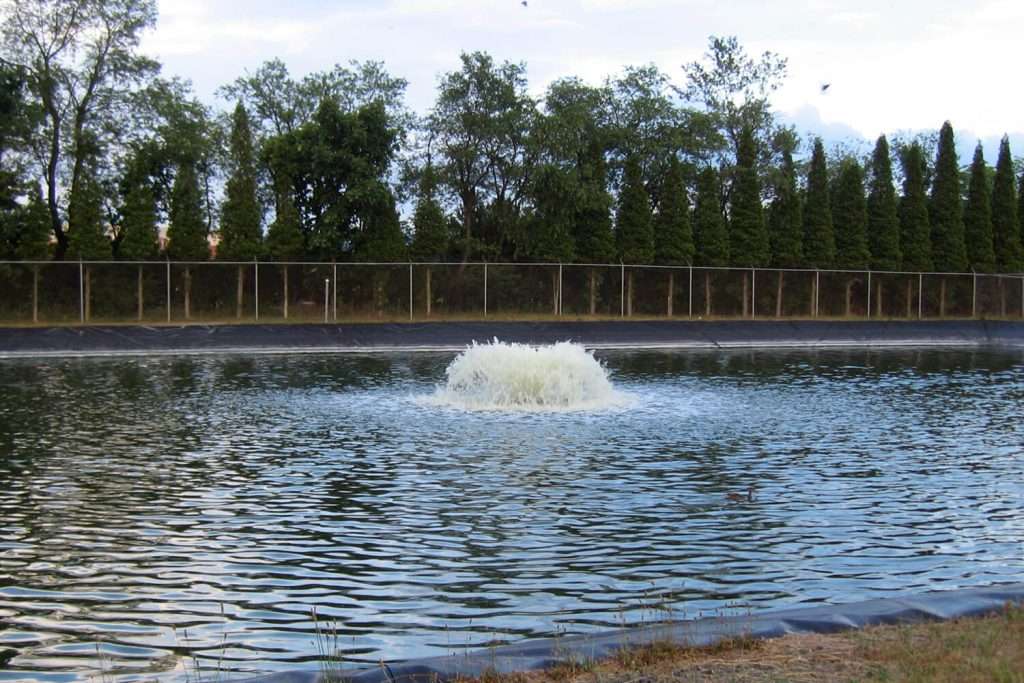
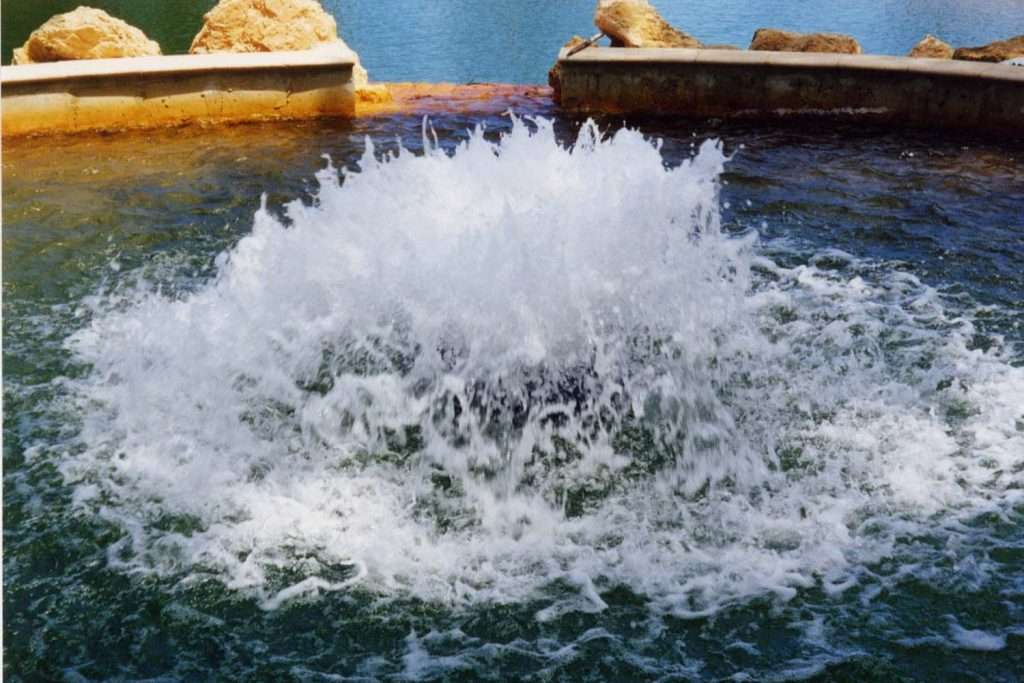
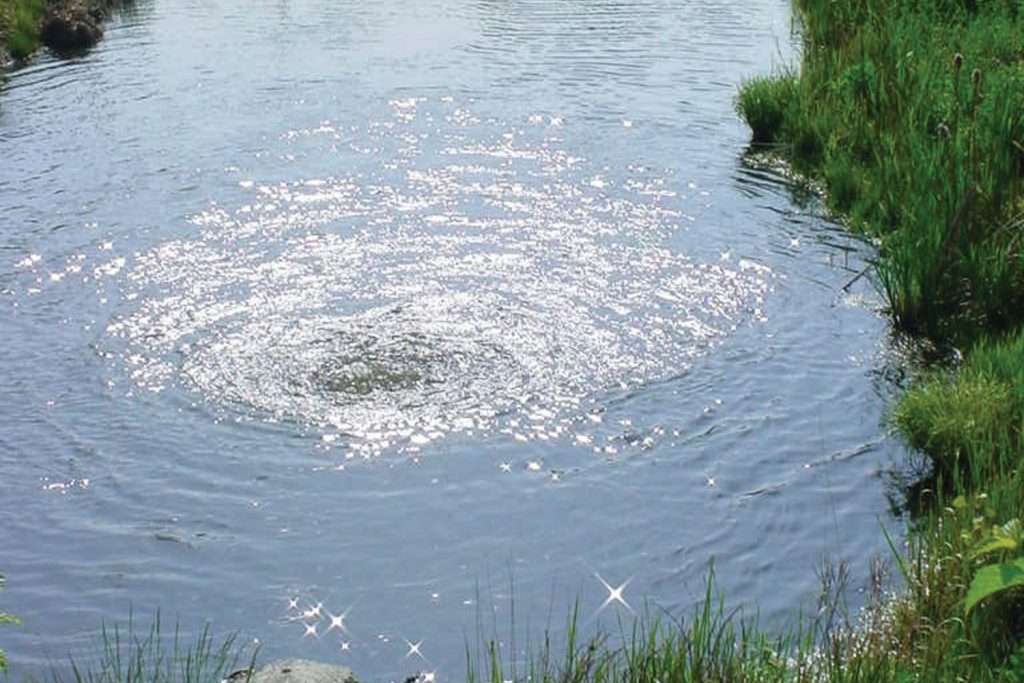
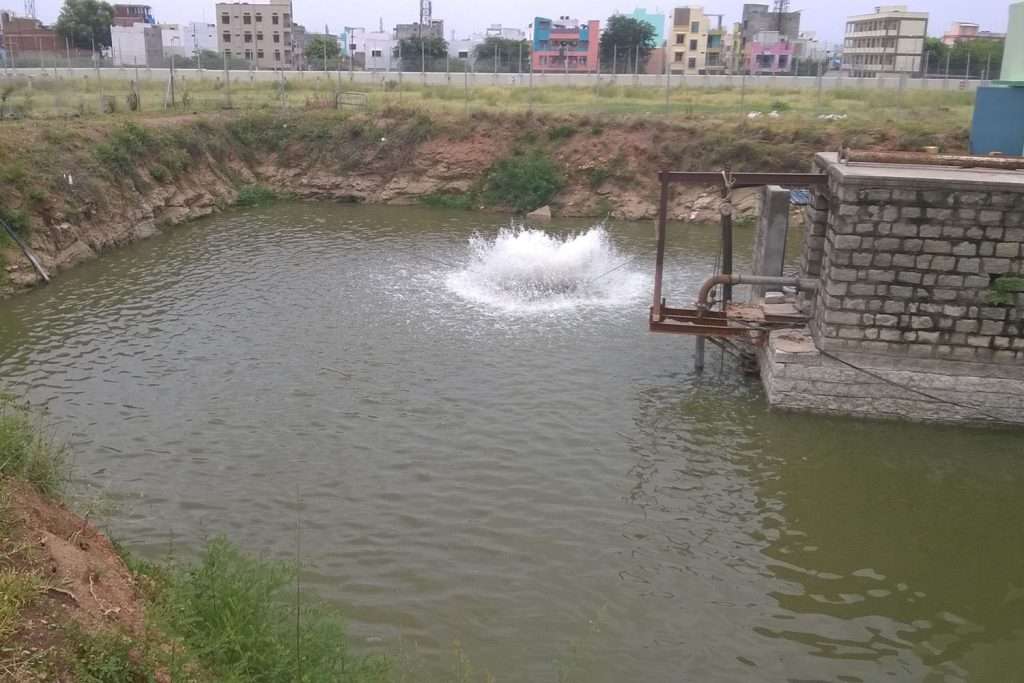
Engineers, facility managers, firefighters, and mining operators rely on our industrial aeration systems to improve water quality across applications such as effluent ponds, fire prevention, wastewater treatment, marinas, mining, food processing, snowmaking, and irrigation. Built from durable, non-corrosive materials, these systems consume excess nutrients, circulate surface and bottom waters, and maintain cooler temperatures to reduce algae growth, delivering reliable, long-term performance in the most demanding environments.
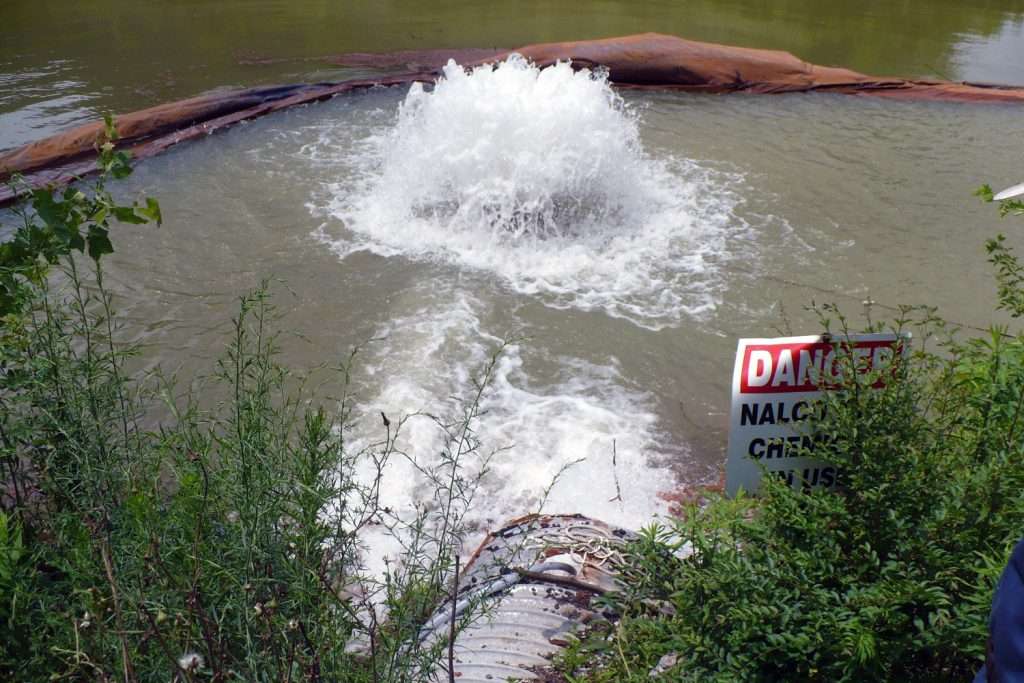
Dedication, Quality, and Independent Testing
Family-owned and operated for over 60 years, we are committed to delivering high-quality aeration systems backed by some of the industry’s most comprehensive warranties. All aerating fountains and industrial pond aerators are independently tested for oxygen transfer, pumping rates, and circulation performance. Our high-volume industrial aerators move up to 920 GPM (199 m³/hr) per horsepower and add 3.3 lbs (1.5 kg) of oxygen per horsepower hour—performance unmatched in the industry. All systems are ETL, ETL-C, and CE listed for safety and compliance.

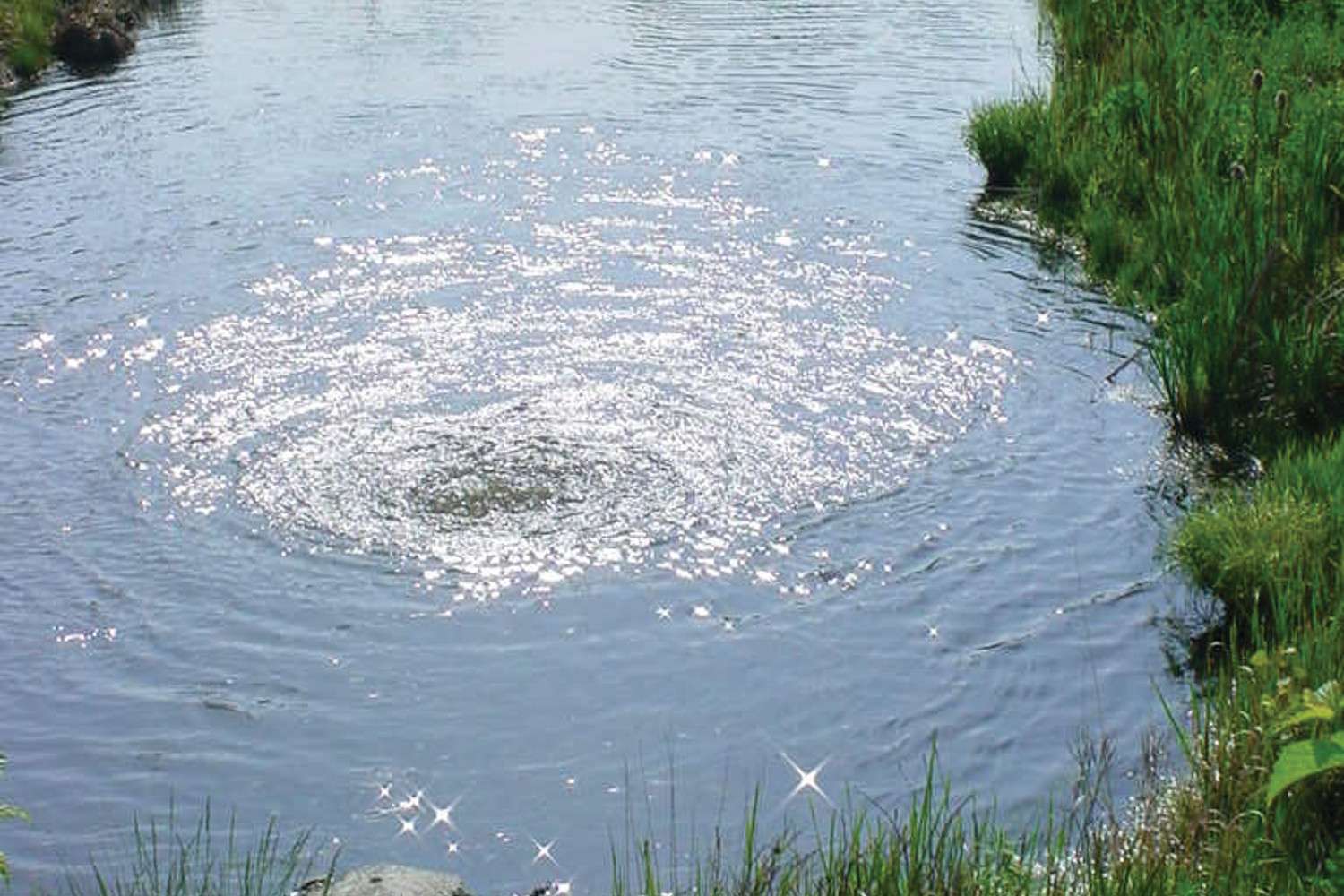
Effective, Sustainable Water Treatment
Our industrial aeration systems deliver market-leading oxygen transfer rates to reduce excess nutrients such as iron and phosphorus, helping to restore water quality and allow reclamation for other uses. Aeration can soften hard water, lower high pH, and improve overall aquatic health. In effluent ponds, our systems have reduced iron levels from 17 PPM to 0.02 PPM, cutting chemical treatment needs while maintaining sustainable, long-term results.
Industrial Aeration for Mining Applications
Our Concept 2 industrial aerators are engineered for extreme environments, making them ideal for mining discharge treatment. By accelerating the breakdown of heavy metals like iron, they reduce the need for costly chemical treatments—saving companies up to $60,000 annually—while ensuring compliance with strict environmental regulations and protecting local waterways.
