Australian summer can put extra pressure on ponds, lakes and farm dams. Hot weather, evaporation, low inflows and nutrient-rich runoff can contribute to algae, odours and low dissolved oxygen. A simple inspection routine helps you identify changes early and plan the right response. Use this October to March checklist alongside local weather conditions and the needs of your particular water body.
October: prepare before the heat
Inspect the water, banks, inlets, outlets and any existing aeration equipment before temperatures rise. Remove leaves and other debris from accessible screens and intakes according to the equipment instructions. Check cables, controls, moorings and visible damage without entering the water. Look for erosion or bare soil where runoff could carry sediment and nutrients into the water.
November: watch water quality
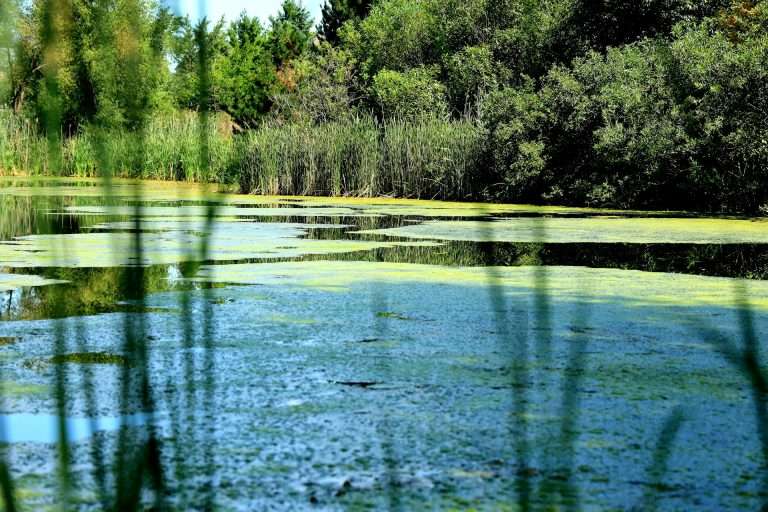
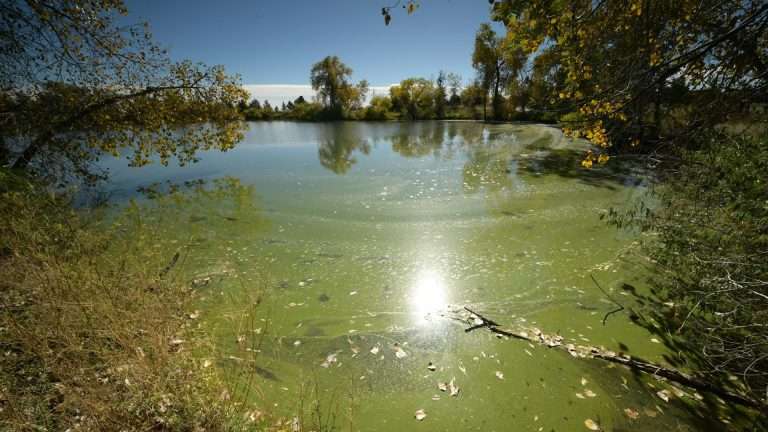
Record the water’s normal colour, smell and clarity so changes are easier to spot. Check for surface scums, sudden colour changes, fish gasping near the surface or unusual fish deaths. Keep fertiliser, manure and soil away from drainage lines that feed the water body. If the water supplies livestock, make sure an alternative safe supply is available if water quality becomes suspect.
December to February: respond to heat and storms
During hot weather, inspect the water more frequently, particularly after a heatwave, heavy rain or a sudden change in water level. Dawn can be a useful time to look for signs of oxygen stress because dissolved oxygen may be lowest near the end of the night. Do not assume that a clear surface means the whole water body is healthy. Check aeration equipment is operating as designed and clear screens only using safe isolation procedures.
Should aeration run 24/7 or on a timer?
There is no single run-time rule for every pond or dam. The right schedule depends on the unit, water depth, water quality, oxygen demand, temperature and management goal. Continuous operation may be appropriate for some systems, while other installations are designed around specific operating schedules. Follow the manufacturer’s guidance and seek a site assessment before changing run times, especially in deep or stratified water.
March: review and plan
Review any water-quality changes, maintenance issues and operating costs from the season. Note when algae or odours appeared and whether they followed rainfall, fertiliser application or equipment problems. Arrange repairs and consider whether the aeration system is correctly sized and positioned for the water body.
Frequently asked questions
Have another question? Explore our pond and lake aeration FAQs.
Next Steps:
For a small, suitable water body, explore the Otterbine All-in-One. For larger ponds, lakes or dams, contact our team to discuss suitable options.