Warm weather can increase the pressure on managed aquaculture ponds. Oxygen demand varies with water temperature, stocking density, feeding, organic matter, algae and the type of production system. Selecting aeration equipment should be part of a wider water-management plan rather than a substitute for monitoring and farm-specific operating procedures.
Understand the oxygen demand
Record pond area and depth, stocking levels, feeding practices, water exchange, organic loading and any history of low-oxygen events. Oxygen conditions can change through the day and night, and may be affected by sudden weather changes or algae die-off. Use appropriate monitoring and follow the advice of your aquaculture specialist.
Plan for hot weather
Establish a routine for monitoring water quality during summer and after major weather changes. Make sure equipment is maintained and that any backup or emergency response arrangements are documented. Do not wait for visible signs of stress before reviewing monitoring data and operating procedures.
Choose equipment for the production system
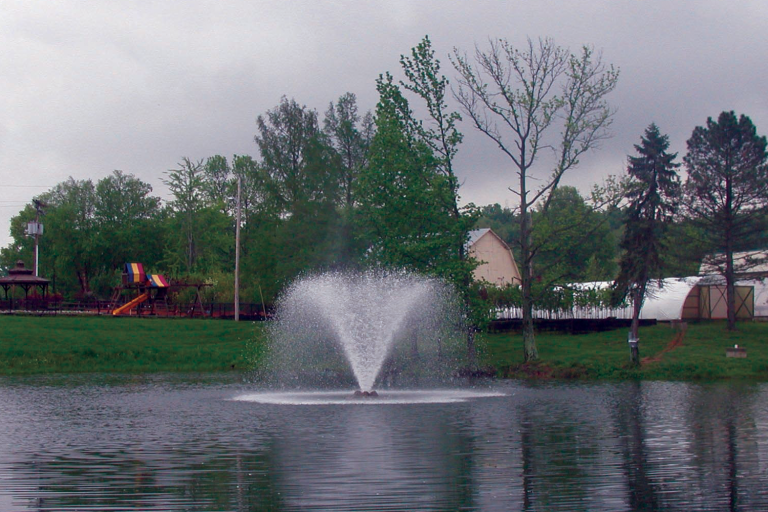
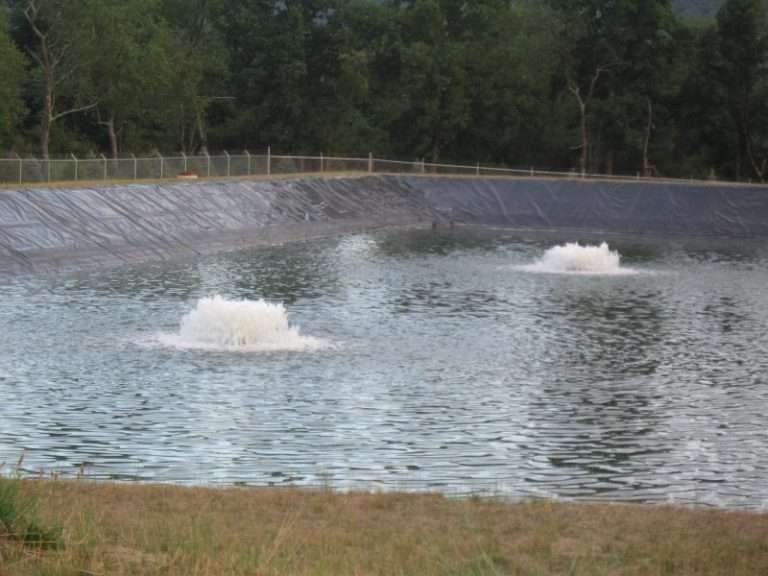
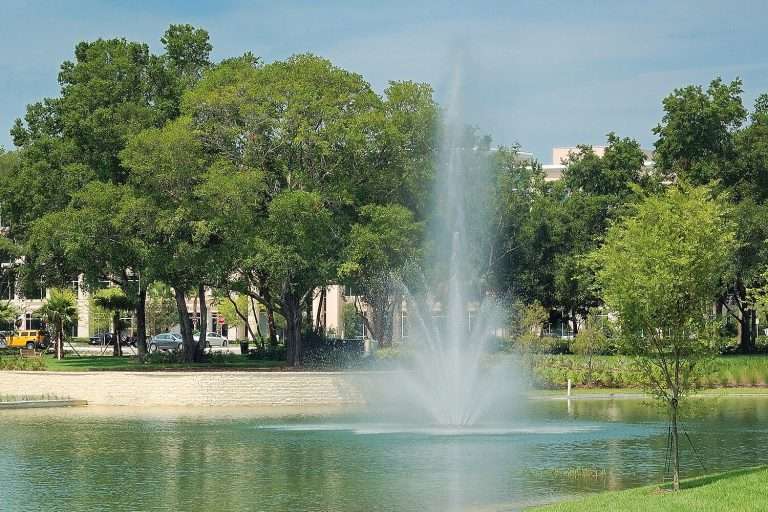
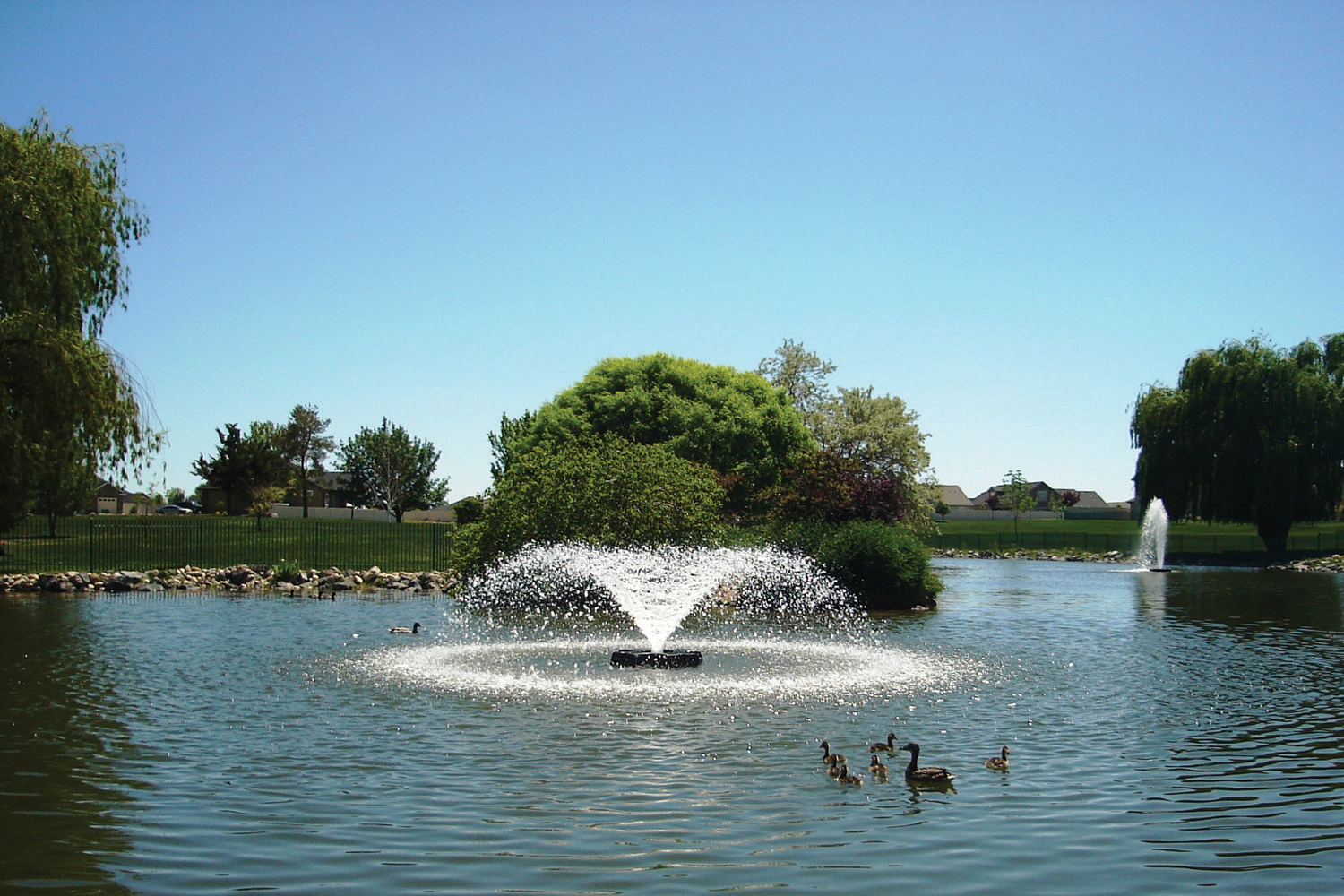
Different ponds and production methods have different circulation and oxygen-transfer requirements. Consider depth, shape, stocking density, power reliability, maintenance access and the location of feeding or holding areas. An aerating fountain, subsurface system, aspirator or high-volume option may be worth assessing depending on the site, but no single technology is right for every farm.
Aeration is one part of pond management
Manage feed and organic waste, inspect water inlets and outlets, and follow biosecurity and water-quality protocols. Introducing circulation or changing equipment settings can alter conditions, so plan changes carefully and monitor their effects. Confirm that any proposed equipment is appropriate for the species, production system and local regulatory requirements.
Create a site-specific operating plan
A useful plan documents target water-quality parameters set by the farm’s technical adviser, monitoring frequency, maintenance responsibilities, alarm or response thresholds and the actions to take if readings move outside acceptable limits. Equipment selection should support that plan.
Frequently asked questions
Have another question? Explore our pond and lake aeration FAQs.
Next Steps:
For aquaculture and farm-pond applications, contact Otterbine Australia for a site assessment and to discuss suitable aeration options.