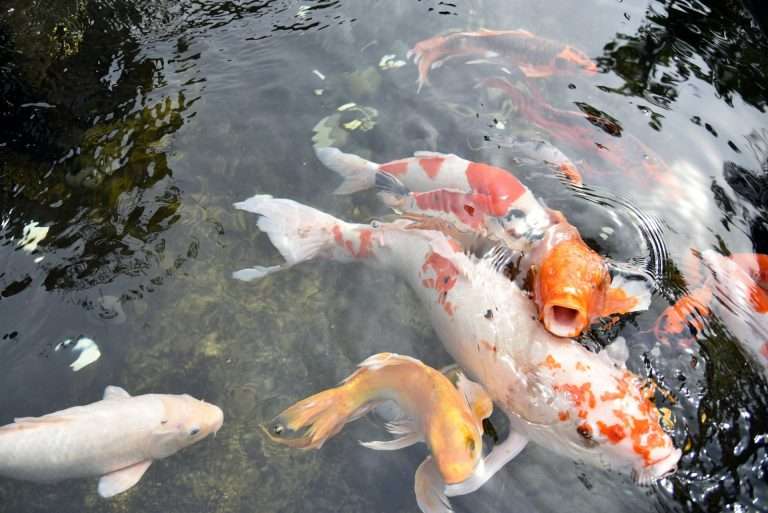
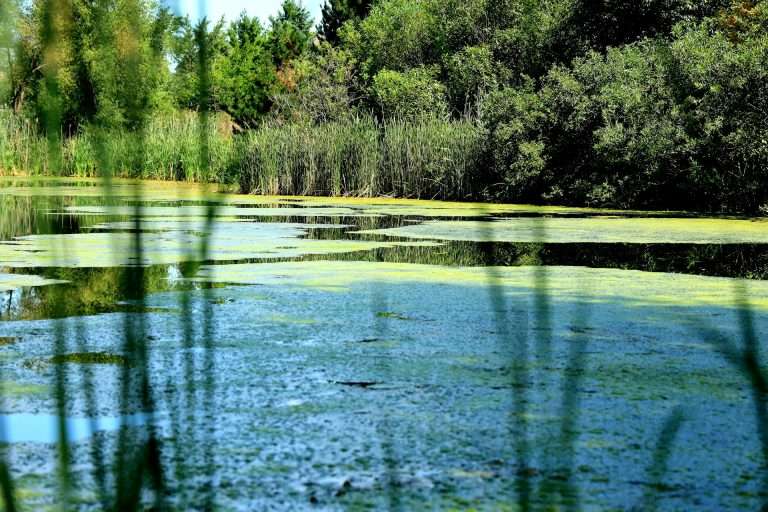
A storm can change a pond or dam in a matter of hours. Runoff may carry soil, leaves, fertiliser, animal waste and other material into the water. The result may be cloudy water, debris, unusual odours or conditions that contribute to algae growth later. A careful post-storm check can help identify problems before they become harder to manage.
What changes should you look for?
Look for new debris, blocked screens, eroded banks, damaged inlets or outlets, unusual turbidity, sudden colour changes and fish behaving abnormally. Do not enter floodwater or approach unstable banks. Keep clear of damaged electrical equipment and use a qualified professional for repairs.
Why does runoff matter?
Soil particles can make water cloudy, while nutrients attached to sediment or dissolved in runoff can contribute to excessive plant and algae growth. Organic material may also decompose and consume oxygen. The effect depends on the catchment, storm intensity, existing water quality and the volume of inflow.
What should you do after heavy rain?
Once conditions are safe, inspect the catchment and water body from the bank. Clear accessible debris only when equipment is safely isolated and it is safe to do so. Repair erosion, maintain vegetated buffer strips and redirect clean runoff where practical without creating new erosion or drainage problems. If the water is used for stock, drinking or irrigation, assess whether testing or other precautions are needed.
Will aeration prevent algae after rain?
Aeration may support circulation and oxygen transfer, but it cannot prevent all storm-related water-quality changes or remove the nutrients carried in by runoff. If algae or odours repeatedly follow storms, investigate catchment inputs as well as aeration performance. The right solution may include erosion control, nutrient management and a site-specific aeration plan.
Frequently asked questions
Have another question? Explore our pond and lake aeration FAQs.
Next Steps:
For recurring water-quality problems or larger sites, contact the team. For a suitable small water body, explore the All-in-One.