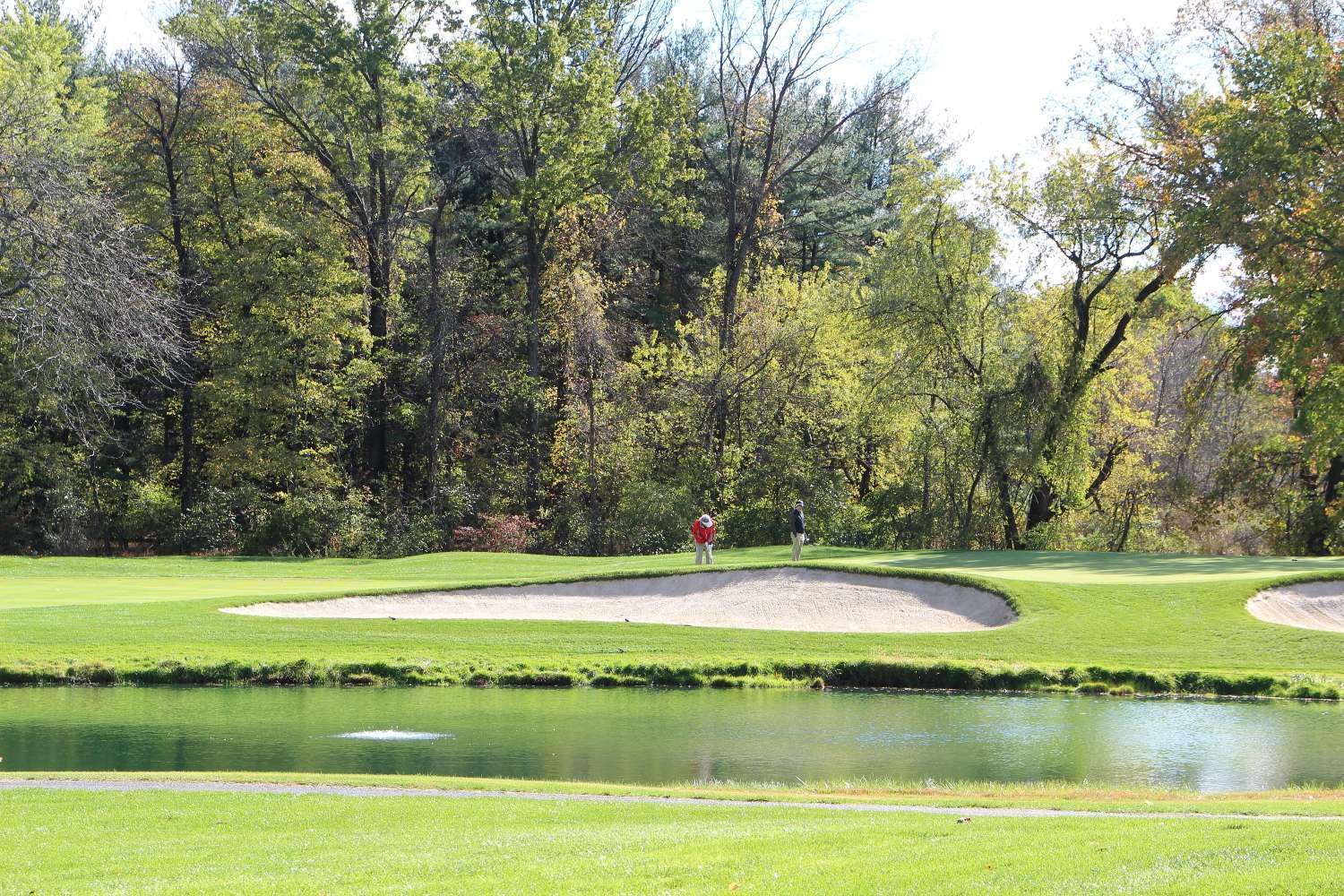
Golf course lakes are both landscape features and working assets. During an Australian summer, heat, evaporation, nutrient inputs and limited circulation can contribute to algae, odours and changing water quality. A planned maintenance routine helps course managers respond early and choose systems that fit the lake’s depth, layout and visual requirements.
Build a seasonal inspection routine
Inspect lakes and equipment regularly, including after heatwaves, storms and irrigation or drainage changes. Record water colour, odour, surface scums, fish activity, water level and any maintenance issues. Check visible cables, controls and moorings in accordance with the manufacturer’s procedures.
Manage nutrients entering the lake
Fertiliser, grass clippings, leaf litter, soil and stormwater can add nutrients to a lake. Review drainage pathways, maintain buffer areas where practical and prevent avoidable debris from entering the water. Aeration is not a substitute for managing the catchment.
Choose aeration for the lake’s role
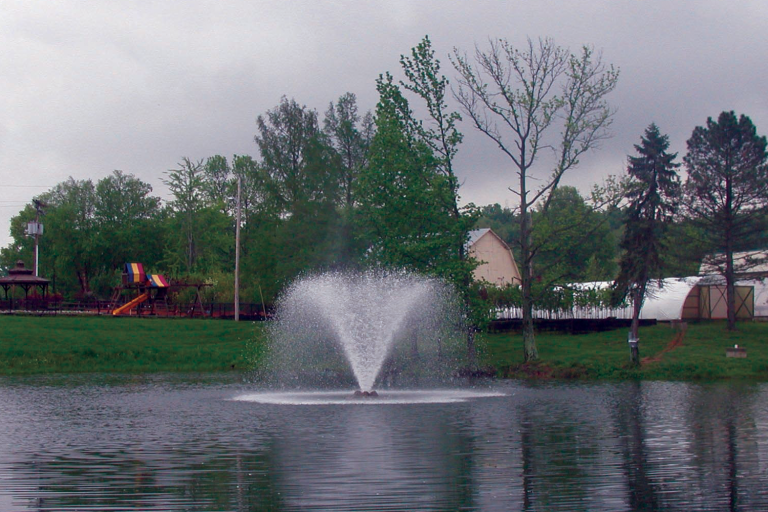
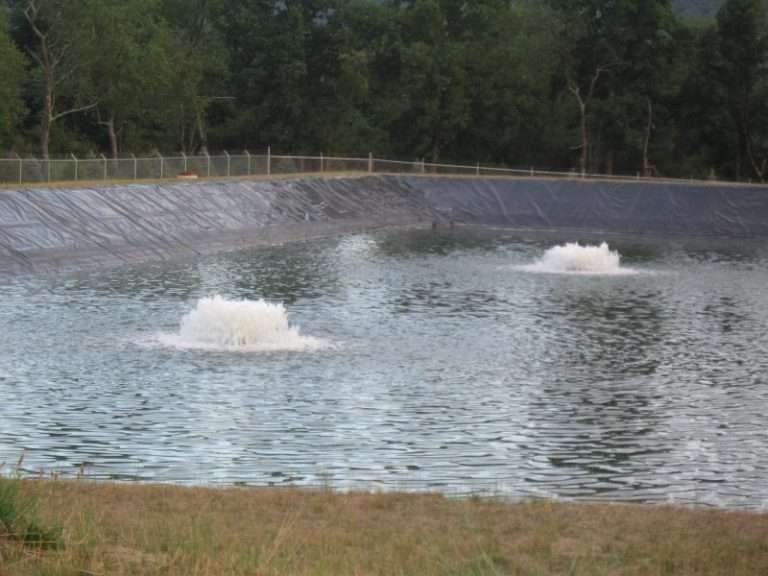
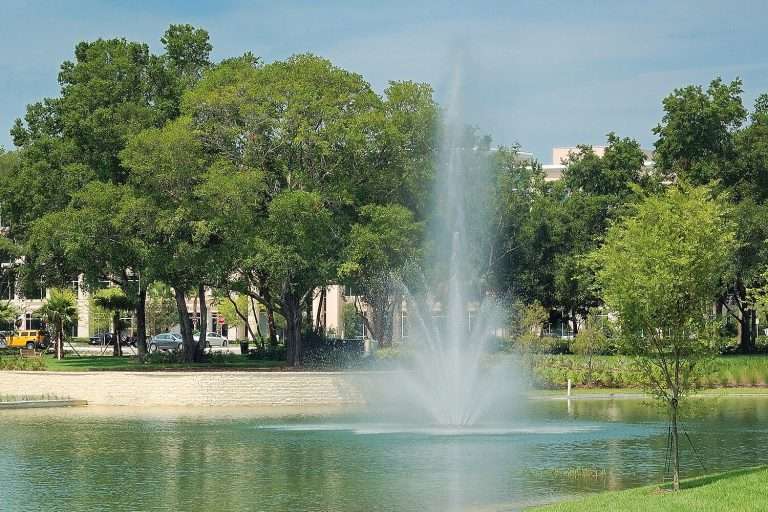
A fountain may provide a strong visual feature near a clubhouse or key playing area while also supporting aeration. Subsurface systems may be considered where deeper-water circulation is a priority. Depth, shape, irrigation use, nearby players, prevailing wind, power access and desired visual impact should all inform selection and placement.
Plan for reliability and safety
Schedule service before peak summer use where possible. Ensure equipment can be safely isolated and accessed for maintenance, and coordinate work with course operations. If a lake supplies irrigation water or supports fish, include those requirements in the assessment rather than selecting equipment on appearance alone.
Measure what matters
Define success in practical terms: fewer odour complaints, improved circulation, more reliable operation, a desired fountain pattern or specific water-quality targets. Track observations and, where needed, use professional water testing to establish a baseline and assess results over time.
Frequently asked questions
Have another question? Explore our pond and lake aeration FAQs.
Next Steps:
For a golf course lake assessment, contact the team to discuss the water body, operating goals and suitable aeration options.