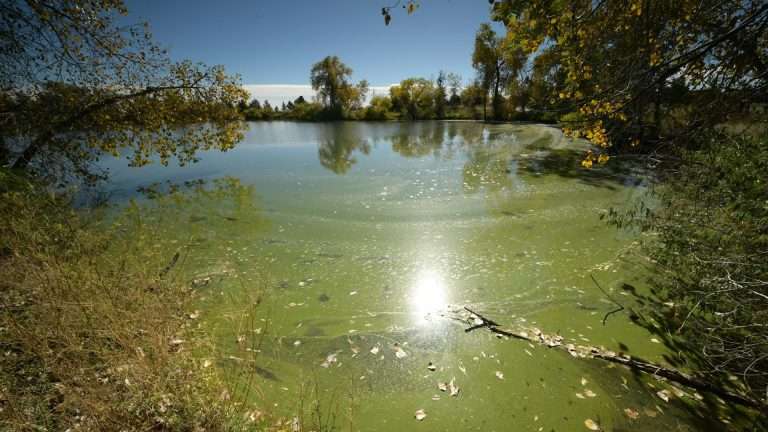
Green water, surface mats and unpleasant odours can be signs that conditions in a pond or dam are favouring excessive algae growth. There is rarely one universal fix. A longer-term approach usually starts by identifying why algae is growing, reducing the nutrients entering the water and selecting suitable circulation or aeration where appropriate.
First, identify what you are seeing
Green water, stringy green growth, floating plants and blue-green algae are not all the same problem. Some blooms can be toxic, so do not assume an unidentified scum is harmless. If the water has changed suddenly, has paint-like scum, smells unusual, or is used by livestock, seek appropriate water-quality advice and testing before attempting treatment.
Reduce the nutrients feeding algae
Nitrogen and phosphorus can enter water with fertiliser, manure, eroded soil, leaf litter and other organic material. Maintain vegetated buffers, manage erosion, avoid spreading fertiliser near inflows and prevent nutrient-rich runoff entering the pond. Where practical, manage stock access and remove accumulated debris safely.
How aeration and circulation may help
Aeration can move water and transfer oxygen, while some systems help reduce persistent layering in the water column. These changes may support overall water-quality management, but results depend on the water body, equipment, nutrients, weather and the type of algae. Aeration does not physically remove all algae, and it should not be presented as a guaranteed or instant cure.
What about beneficial bacteria, shade or algaecides?
Products marketed as beneficial bacteria may be part of some management programmes, but their suitability and evidence vary. Shade may reduce light in some settings, though planting must be planned carefully around dam banks, infrastructure and local ecology. Algaecides can cause algae to die and decompose, which may lower dissolved oxygen; some toxins can remain after cells die. Use chemical treatments only where appropriate, in line with labels and professional advice.
How long does it take?
There is no reliable universal timeline. Odour, clarity and algae levels may respond at different rates, and recurring nutrient inputs can undo progress. Monitor water quality and document changes over weeks rather than judging success from one observation. If algae returns repeatedly, a site assessment can help identify whether the issue is nutrients, depth, circulation, equipment selection or a combination.
Frequently asked questions
Have another question? Explore our pond and lake aeration FAQs.
Next Steps:
For a small water body that meets the product specifications, explore the All-in-One. For recurring algae or larger water bodies, contact the team.